Mini Split Costs in Central Oregon: What Changes the Price (and How to Save)
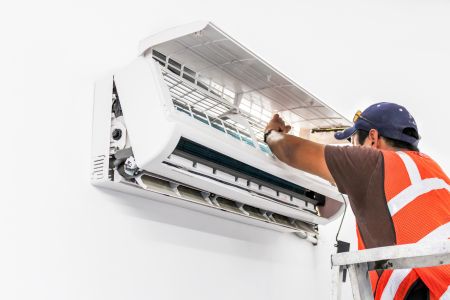
Thinking about a mini split for your home in Redmond, OR or nearby Bend, Sisters, or Prineville? Mini split costs in Central Oregon vary, but the biggest drivers are the number of zones, electrical needs, and the efficiency tier you choose. If you want a deeper look at how the equipment and design fit your space, explore our mini split systems overview to see what a complete installation includes.
Central Oregon’s high-desert climate swings from chilly nights to warm, dry afternoons. That mix makes sizing and placement just as important as the equipment brand. With the right plan, a ductless system can heat and cool the rooms you use most while keeping energy use in check.
What Drives Mini Split Installation Costs in Redmond, OR
Homes around Redmond range from older ranch styles near Dry Canyon to newer builds in SW neighborhoods and communities like Eagle Crest. That variety means no two installations look the same. Here are the most common factors that change project pricing:
- Number of zones: Each indoor unit adds materials, lineset, mounting, and start‑up time.
- System size and capacity: Bigger isn’t always better. Right-sizing keeps comfort steady and avoids waste.
- Efficiency tier: Higher SEER2 and HSPF2 models save energy but may add upfront cost.
- Electrical needs: Dedicated circuits, wire runs, and panel capacity affect scope.
- Lineset length and routing: Long or hidden runs take more labor and materials.
- Mount style: Wall, ceiling cassette, or floor console options affect time and finish work.
- Installation complexity: Second-story work, tight crawlspaces, or snow-rated outdoor mounting can add time.
- Accessories: Condensate pumps, line‑hide, low-ambient kits, and filters fine-tune performance.
Every home has a few curveballs. A detached shop in Tumalo, a bonus room over the garage in Eagle Crest, or a finished basement in NW Redmond might change the layout and the labor needed. A short on-site visit is the fastest way to lock in a plan that fits your home and your goals.
How Home Layout And Local Climate Change The Design
Central Oregon homes see big daytime-to-nighttime temperature swings. Open floor plans near Old Town Redmond may feel even and comfortable with one or two zones. Cozier layouts with long hallways or closed doors often need more zones to avoid hot and cold spots.
Bend’s higher elevation and winter lows push heat pumps harder, especially in bedrooms that face the wind. In those cases, we may recommend a cold-climate model for steady heat on icy mornings. In Redmond, a standard high-efficiency model can be a great fit when the home is well insulated and air sealed.
Room use matters. A home office that only runs 9 to 5 needs different settings than a nursery or guest suite. Kitchens and vaulted living rooms with south-facing windows may need extra attention to keep summer afternoons comfortable.
Electrical Needs: What To Expect
Most mini split outdoor units need a dedicated circuit and an outdoor disconnect. Some homes already have space in the panel. Others may need a small upgrade or a subpanel to make room. A licensed electrician handles the wiring and safety checks so the system starts strong and stays reliable.
Do not ignore electrical capacity. Undersized wiring or crowded panels can lead to nuisance trips and uneven performance. Your HVAC team will review wire size, breaker ratings, and circuit distances, then coordinate any needed electrical work. Permits and inspections vary by jurisdiction and home, and your installer can guide that process if required.
Choosing Efficiency Tiers Without Overbuying
Mini splits come in good, better, and best tiers. Higher SEER2 and HSPF2 models use advanced compressors and controls to stretch each kilowatt, which pays off in homes that heat or cool for long hours. If your use is part-time, like a hobby room or guest suite, a mid-tier model may be the sweet spot.
Cold-climate models keep heating output strong well below freezing. In Redmond and Bend, that can mean steadier winter comfort without relying on backup heat. Ask about current rebates in Central Oregon, since local utility programs can change by season and equipment type. Your advisor will match the model tier to your comfort goals, noise preferences, and long-term plans.
Single‑Zone vs. Multi‑Zone: When Each Makes Sense
A single-zone system serves one space. It is great for an over-garage bonus room, a backyard ADU, or a primary bedroom that runs warmer than the rest of the home. A multi-zone system ties several rooms to one outdoor unit, which helps when you want whole-home comfort without new ductwork.
Think about doors and daily habits. If doors stay closed at night, split bedrooms into separate zones for quiet, even sleep. If you mainly use the living room and kitchen, start there, then add bedrooms later. Right-sizing zones is one of the easiest ways to protect your budget and deliver comfort where you actually spend time.
Installation Details That Add Time
Every job includes careful placement of the outdoor unit. In Redmond and Bend, many homeowners choose a wall bracket or a raised pad to keep the condenser above snow and drifting gravel. Line‑hide protects the refrigerant lines from sun and wind for a cleaner look on south and west walls.
Indoors, ceiling cassettes disappear into the room and move air well in open layouts, but they require more prep than a standard wall head. Floor consoles can help in rooms with low windows or limited wall space. Small choices in placement often save hours by reducing lineset length and drywall patching, and those hours add up.
Ways To Save Without Cutting Corners
You want a fair price and a smooth install. These strategies keep quality high while trimming avoidable extras:
- Match zones to how you actually live. Oversizing wastes energy and budget.
- Choose a standard wall-mounted head unless the room truly needs a cassette or floor unit.
- Group work in a single visit when possible to reduce setup and travel time.
- Be flexible on exact indoor head locations to shorten lineset runs and labor.
- Schedule before the first heat wave or cold snap, when crews and lead times are more open.
For more background on planning and budget, you can start with mini split costs in central oregon and then tailor the options to your home. If you want to understand how equipment tiers compare, your consultant will map out good, better, and best choices with clear pros and cons.
After Installation: Care That Protects Your Investment
Mini splits reward light, regular care. Keep supply and return areas clear. Clean or replace filters as recommended by the manufacturer. Outdoor units should stay free of brush, leaves, and drifting snow so air can move without strain.
If something seems off, like weak airflow or unusual noise, a quick check can prevent bigger issues. When you need help, the technicians who install mini splits also handle diagnostics and ac repair to keep your system running right through summer and winter.
Local Examples: Matching Design To Central Oregon Homes
Redmond ranch homes with low rooflines often benefit from a single outdoor unit on a side wall, with short, tidy linesets into the living room and primary bedroom. Newer two‑story homes may call for a small multi‑zone system so upstairs bedrooms and a downstairs great room each have a dedicated head.
For detached shops, art studios, or ADUs around Bend and Sisters, a single-zone unit sized to the square footage holds temperature steady without heating or cooling the whole house. In places with strong afternoon sun or wind exposure, we adjust capacity and placement to stay comfortable during the toughest hour of the day.
What To Expect From A Professional Installation
On installation day, your crew will confirm locations, protect floors, and set indoor templates before drilling any penetrations. Refrigerant lines and control wiring are routed cleanly, sealed, and covered. The outdoor unit is leveled and secured, then electrical connections are made and verified.
After evacuation and charging checks, the team starts each zone, sets initial modes and fan speeds, and shows you how to use the controls. You get a walkthrough of filter access and basic maintenance so the system performs the way it should from day one. If you want a deeper dive into options and configurations, read about our approach to mini split installation and how design choices affect timelines.
Smart Planning For Redmond, OR Weather
Winter mornings in Redmond can slip below freezing, then jump into the 40s by afternoon. Shoulder seasons see cool nights and warm, sunny days. We plan for those swings by choosing the right capacity window, placing indoor heads for even mixing, and setting modes to avoid short cycling.
In late summer, wildfire smoke and dust can load filters faster. Keep a couple of spares on hand and check them more often. If your home sees heavy smoke or fine dust, ask about higher-efficiency filters or heads that pair well with supplemental filtration.
Ready For A Clear Plan And A Fair Price?
Every home is different, and a short visit is the best way to dial in zone count, electrical needs, and efficiency tier without overbuying. Talk with Seaton Heating & AC to map out an installation that fits your rooms and your routine. Call us at 541-300-4435 or schedule a no-pressure assessment. You can also learn how we design and install ductless systems by visiting our page on mini split systems and seeing what comes standard.
If you live in Redmond, OR, Bend, or nearby communities, we can help you choose a setup that fits your budget and comfort goals today and for years to come. The right plan avoids extra zones, keeps electrical simple, and pairs the efficiency tier to your real-world use. That is how Seaton Heating & AC helps Central Oregon homeowners stay comfortable through cold mornings, sunny afternoons, and everything in between.

Upgrade Your Heating & AC Systems Today With Our HVAC Company In Redmond & Surrounding Areas!