Tankless vs. Traditional Water Heaters: Which Is Better for Your Redmond Home?
Choosing the right water heater affects comfort every day in Redmond, OR. Winters get cold in Central Oregon, and that chilly inlet water can test any system. This guide breaks down how tankless and traditional water heaters compare in real Redmond homes, including gas vs. electric tankless options, how long water heaters last, and the main pros and cons. If you’re weighing a swap or a first-time upgrade, you can also explore your water heater options with Seaton Heating & AC when you’re ready.
How Each System Works In Central Oregon Homes
Tankless Basics
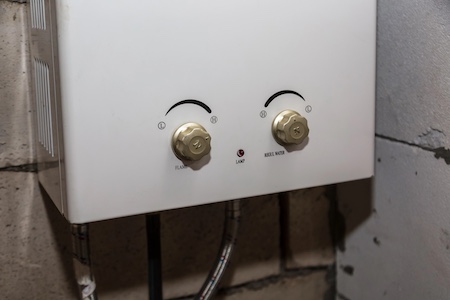
Tankless units heat water on demand. When a faucet opens, the heater fires and warms water as it passes through a heat exchanger. There’s no storage tank, so you don’t keep gallons hot all day. That can reduce standby energy use, which helps during long, cold Redmond nights. Proper sizing matters because a unit can serve only a certain flow rate at a time, especially when winter inlet water is very cold.
Traditional Tank Basics
Tank heaters store a set amount of hot water in an insulated tank, commonly 40 to 50 gallons for many Redmond homes. When the tank cools, the burner or elements reheat it. The big advantage is simple, proven operation and a buffer of hot water during short power interruptions for some gas models with standing pilots. The tradeoff is standby heat loss and the chance of running out if multiple showers, laundry, and dishes happen back to back.
Water Heaters In Redmond: Lifespan, Maintenance, And Hard Water
In most homes, traditional tank water heaters typically serve about 8 to 12 years with regular maintenance. Quality tankless systems often last longer, commonly in the 15 to 20 year range when installed and maintained correctly. Local water quality plays a role. Many Redmond neighborhoods, from Old Town near Dry Canyon to the southwest corridors and Eagle Crest area, see mineral content that can build scale on heat exchangers and inside tanks.
Scale reduces efficiency and can shorten equipment life. Regular flushing, annual safety checks, and timely anode rod service for tank units help protect your investment. For tankless units, descaling intervals depend on water hardness and usage patterns. A professional check helps set the right schedule for your home.
Tankless Water Heater Pros And Cons For Redmond Homes
- Pros: Endless hot water within capacity, small wall-mounted footprint, lower standby energy use, long service life with maintenance.
- Cons: Output falls if multiple fixtures run beyond the unit’s capacity, winter cold inlet water can limit flow, requires proper venting for gas and adequate electrical capacity for electric models.
Think about how your household actually uses hot water. Busy mornings in a Canyon Rim Village home with back-to-back showers and laundry might push a single small tankless past comfort. A properly sized unit or a recirculation setup can help, but it takes planning.
Traditional Tank Pros And Cons For Central Oregon Living
- Pros: Simple design, quick replacement in many homes, a ready reserve of hot water, familiar maintenance plan.
- Cons: Standby heat loss, tank footprint in smaller garages or closets, eventual tank wear that can lead to leaks if not replaced on time.
For many Redmond households, a right-sized, well-insulated tank heater is still a reliable choice. It’s also a solid fit for cabins or accessory dwelling units when space and venting options are limited, or where electrical capacity is modest.
Gas vs. Electric Tankless: What’s Best For Your Redmond, OR Home?
Both types can work well when matched to your home. Gas tankless models deliver strong output for multi-shower homes but need safe venting and combustion air. Electric tankless models avoid combustion and venting, yet they often require significant electrical capacity. A home with a newer panel in Southwest Redmond might be ready, while an older bungalow near Downtown may need upgrades before electric tankless is practical.
Redmond winters matter too. Colder inlet water reduces flow on any tankless. Gas units often keep higher flow at low temps, but correct sizing is essential. Electric tankless can shine in smaller homes or for point-of-use needs. Never size a unit by guesswork. A load calculation that considers showers, tubs, appliances, and winter inlet temperature gives you an honest picture of what will work.
Energy Use, Comfort, And Utility Considerations
Energy performance depends on your fuel source, insulation, and hot water habits. Tankless systems can save energy by heating only when needed. Tanks can be efficient too, especially newer, well-insulated models. Actual utility costs vary by fuel rates and usage season to season. If you run multiple long showers after a snow day, a tankless will perform within its capacity and then hold steady. A tank will deliver its stored volume and then recover.
Recirculation can speed hot water to far fixtures in homes spread along the ridge or near the Dry Canyon trail corridor. Some tankless units support smart recirculation that learns your schedule. A proper loop avoids long waits, which also reduces water waste during winter mornings. For broader planning on your home’s comfort systems, you can always start at our water heaters overview and reach out to a pro for a right-sized plan.
How Long Water Heaters Last And When To Replace
Most tank water heaters deliver around a decade of service with routine maintenance. Tankless models often go well beyond that when descaled and serviced on schedule. Look for signs that it’s time to talk with a pro:
Watch for rusty water, rumbling or popping sounds, inconsistent temperatures, or frequent resets. These signals point to wear, sediment buildup, or aging controls. Gas units that blow out in winter winds or electric units that trip more often are also telling you something is off. A fast inspection can help you avoid a surprise cold shower before guests arrive for a winter weekend at Eagle Crest.
Sizing And Fit: Matching Your Home And Family
The right pick depends on how many people live in your home, how many bathrooms you have, and how you use hot water. A three-bath home in Terrebonne that runs back-to-back showers and a large tub may need a higher-capacity gas tankless or a larger insulated tank. A compact townhome near downtown Redmond might benefit from a space-saving tankless mounted on a garage wall.
Right-sizing prevents cold-water surprises. A professional will look at shower flow rates, tub fill size, dishwasher and laundry use, and the coldest expected inlet temperature. With that data, you can choose a tankless model with the right gallons-per-minute rating or a tank size that fits your mornings and evenings without waste.
Tankless Water Heater Installation Redmond, OR: What To Expect
Installation needs vary by home. Gas tankless units require correct venting, gas line capacity, and safe combustion air. Electric tankless units demand adequate service panel capacity and appropriate wiring. Traditional tanks need proper placement, pan and drain provisions, and seismic strapping common in our region. Your installer will also verify water quality and recommend filtration or a maintenance plan if mineral content is high.
Many homeowners also ask about mixing valves, recirculation loops, and simple controls to balance comfort and safety. These add-ons can improve daily life and reduce wait times at the tap, which is helpful on frosty mornings when everyone is getting ready at once.
Which Is Better For Your Redmond Home?
If you want compact equipment, on-demand hot water, and you’re ready to plan for the right size and maintenance, a tankless system is a great fit. If you prefer a simpler setup, value a ready reserve of hot water, and want familiar maintenance, a traditional tank is still a smart choice. Homes with big tubs, multiple showers, and frequent overlap often lean toward higher-capacity gas tankless or a larger, efficient tank with quick recovery.
There’s no one-size answer for Redmond, OR. The best solution weighs your fixtures, family size, winter inlet temps, venting options, and electrical capacity. A short in-home visit from a licensed pro will put real numbers to the choice and help you decide with confidence.
Get Expert Help From Seaton Heating & AC
Ready to compare options, ask about gas vs. electric tankless, or learn how long a replacement could serve your home? Start with our quick overview of water heater options, then book a service visit in Redmond. Or call 541-300-4435 to schedule with Seaton Heating & AC today. We serve Redmond as a top plumber with careful installations and dependable maintenance that keep hot water flowing all year.

Upgrade Your Heating & AC Systems Today With Our HVAC Company In Redmond & Surrounding Areas!